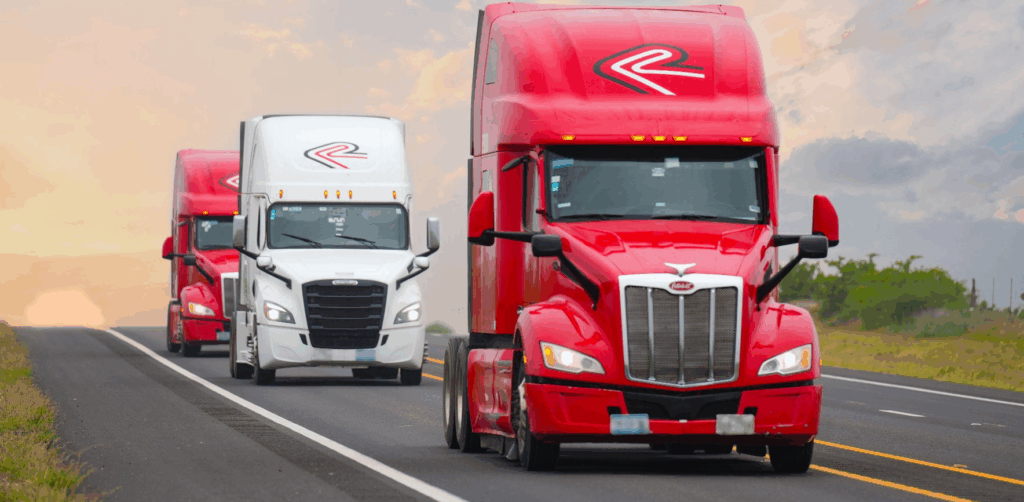
Sustainability has become a fundamental pillar of modern logistics. Companies around the world are adopting strategies that not only optimize their operations but also reduce their environmental impact. Among the most notable initiatives are the use of alternative fuels, route optimization, and the integration of electric vehicles into last-mile logistics.
The Use of Alternative Fuels in Freight Transportation
The transition to cleaner fuels is essential to reducing harmful emissions from freight transportation. Natural gas, for example, produces lower nitrogen oxide and particulate matter emissions compared to diesel, helping improve air quality and reduce the environmental impact of the logistics sector. In addition, natural gas can emit up to 70% less CO₂ than diesel, making it a viable option for more sustainable logistics.
Route Optimization to Reduce Emissions and Fuel Consumption
Efficient route planning is key to minimizing fuel consumption and CO₂ emissions. By reducing the distance traveled and driving time, companies can significantly lower their carbon footprint. Implementing systems that consider factors such as real-time traffic and weather conditions allows routes to be dynamically adjusted, improving operational efficiency and contributing to more sustainable transportation.
Last-Mile Logistics and the Integration of Electric Vehicles
The last mile represents one of the biggest challenges in logistics, both in terms of costs and environmental impact. Integrating electric vehicles at this stage offers multiple benefits:
- Reduced Emissions: By eliminating greenhouse gas emissions associated with internal combustion engines, electric vehicles help reduce the carbon footprint of logistics operations.
- Operational Efficiency: Electric vehicles are designed to be efficient in urban environments, facilitating deliveries in congested areas and improving delivery times.
- Lower Operating Costs: Companies that have integrated electric vehicle fleets have observed significant reductions in operating and maintenance costs.
In addition, micromobility, which includes the use of electric bicycles and scooters, is gaining ground in urban deliveries, offering agile and sustainable solutions for distribution in hard-to-reach areas.
Conclusion
The adoption of alternative fuels, route optimization, and the integration of electric vehicles into last-mile logistics are essential strategies for moving toward more sustainable logistics. These practices not only contribute to environmental preservation but also offer companies competitive advantages by improving operational efficiency and reducing costs. The transition toward greener logistics is a necessary commitment to addressing today's environmental challenges and building a more sustainable future.
Sources: Across Logistics / Lanjatrans /ILOS / Manglar /Element / Decide Soluciones /Logistics World / Mecalux / Logística Énfasis /iMile /OpenAI