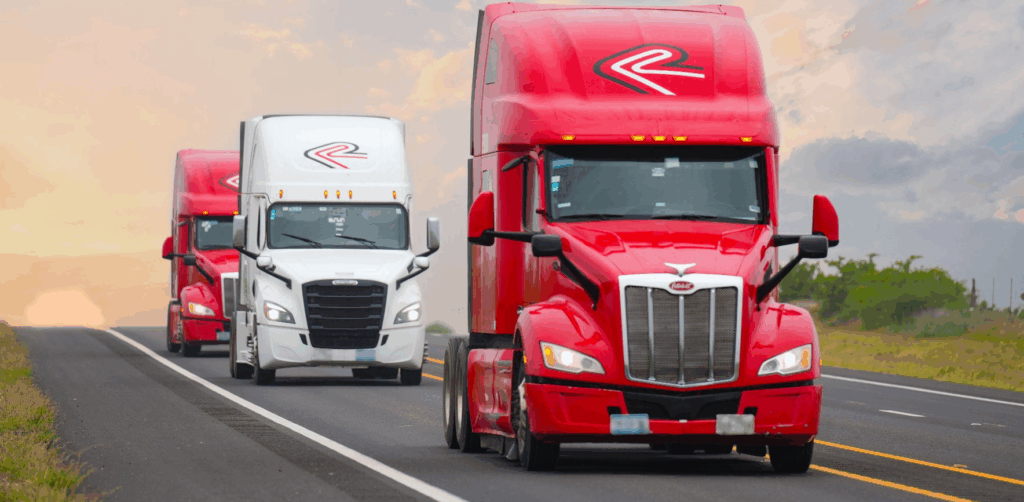
Logistics optimization is essential in the world of transportation and distribution. This process focuses on improving supply chain operations to maximize efficiency and reduce costs. At Zaro Transportation, we understand the importance of optimizing every stage of the logistics process to deliver superior services to our customers.
What is logistics optimization?
Logistics optimization involves the use of advanced methods and technologies to plan, implement and control the efficient movement and storage of goods, services and information. The goal is to ensure that these resources are delivered to the right place, at the right time and in optimal conditions, all while minimizing costs and maximizing customer satisfaction.
The main objectives of logistics optimization include:
- Cost Reduction: Minimize expenses related to transportation, warehousing and inventory management.
- Improve Customer Service: Ensure on-time deliveries and increase order accuracy.
- Increased Efficiency: Optimize transportation routes and material handling processes.
- Sustainability: Reducing environmental impact by improving fuel efficiency and reducing CO2 emissions.
Why optimize logistics?
Optimizing logistics is not only necessary, it is crucial to the survival and success of any business that relies on transportation and distribution. In an increasingly competitive marketplace, the ability to reduce logistics costs while improving service can be the difference between success and failure. In addition, with the increasing focus on sustainability, companies are under pressure to reduce their environmental footprint, something that logistics optimization can significantly facilitate.
How to optimize logistics
At Zaro Transportation, we use a combination of strategies and technologies to optimize our logistics:
- Advanced Technology: Implementation of transportation management software (TMS) to optimize routes and loads, reducing miles traveled and improving fuel efficiency.
- Data Analytics: Use data analytics to anticipate demands and adjust logistics operations proactively, reducing the risk of overstocking or out-of-stocks.
- Continuous Training: Personnel receive continuous training to ensure that best practices are applied at every step of the logistics chain.
- Collaboration: Working closely with our customers and suppliers to create a more integrated and transparent supply chain.
Logistics optimization is more than a requirement; it is a competitive advantage in providing exceptional service. With the right tools and strategies, we can ensure that logistics not only meets, but exceeds customer expectations, helping them achieve their own business objectives more effectively.Source: OpenAi (2024)