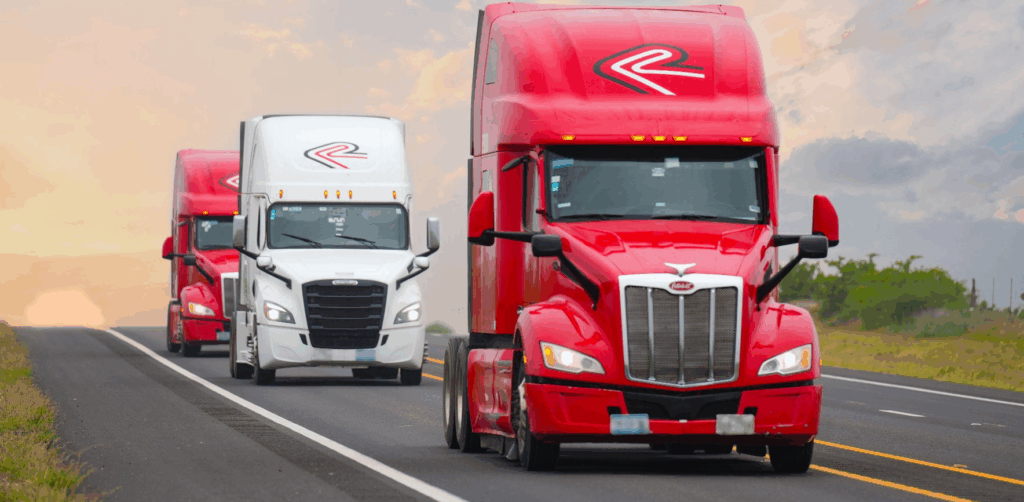
In 2025, Mexico continues to make progress in promoting the inclusion of women in the trucking industry, implementing various programs across several states to train women as truck drivers.
Below are some of these programs, along with their requirements, benefits, and career opportunities.
Programs by State
- Jalisco: The “Mujeres Conductoras” (Women Drivers) program trains women to operate public transportation. It offers theoretical and practical training covering topics such as regulations, safe driving, and customer service.
- Aguascalientes: The “Mujeres Conductoras 2024” (Women Drivers 2024) program aimed to recruit more women as urban bus operators. Participants received a $15,000 MXN scholarship during their training and, upon completion, had the opportunity to be hired by SIT Aguascalientes, with access to additional benefits such as semiannual bonuses and life insurance.
- State of Mexico and Hidalgo: Generation Mexico's “Professional Tractor-Trailer Driver (CPT)” program offers an intensive seven-week training course. It is designed for individuals between the ages of 25 and 35 who live near the training locations in Cuautitlán Izcalli and Zinacantepec (State of Mexico), and Atitalaquia (Hidalgo). No previous education or experience is required—only commitment and full-time availability throughout the training period.
General Requirements
Although requirements vary depending on the program and state, applicants are commonly required to have:
- A minimum age of 22.
Residency in the state where the program is offered. - A valid driver's license with a minimum period of experience.
Knowledge of operating vehicles with manual transmissions.
Reading and writing skills. - Previous work experience, although not necessarily in driving.
It is recommended to review the specific program announcements to learn more about the requirements and required documentation.
Benefits of Participating
- Specialized Training: Theoretical and practical training focused on professional tractor-trailer driving.
- Financial Support: Scholarships during the training period, allowing participants to dedicate themselves fully to the program.
- Official Certifications: Access to the licenses and credentials required to work in the profession.
Inserción Laboral: Vinculación con empresas del sector para una pronta colocación en el mercado laboral.
Career Opportunities After Graduation
Upon completing these programs, graduates can pursue various positions, including:
- Public Transportation Driver: Operating urban and suburban buses.
- Freight Truck Driver: Driving tractor-trailers to transport goods nationally and internationally.
- Driving Instructor: Training new generations of professional drivers.
The inclusion of women in the trucking industry not only promotes gender equality but also brings tangible benefits by improving service quality and road safety. Women interested in entering this industry have access to programs designed to support their professional and personal development.
Sources: Home | Generation Mexico / TUMI / Yahoo Noticias / OpenAI