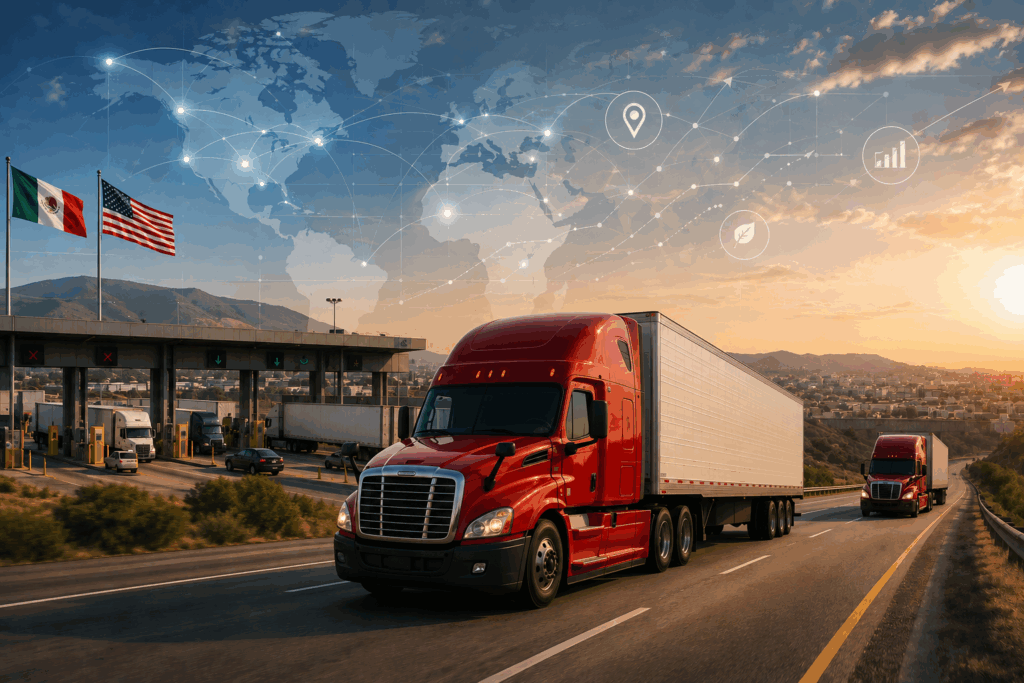
Mexico is facing an economic crossroads due to the protectionist policies announced by U.S. President Donald Trump, who threatened to impose a 25% tariff on imports from Mexico if significant progress is not made in combating drug trafficking and managing migration. These measures present significant economic and diplomatic challenges for Mexico.
Potential Economic Impact
The implementation of these tariffs could have adverse effects on various aspects of the Mexican economy:
- Depreciation of the Mexican Peso
- The threat of tariffs has already generated fluctuations in the national currency. In January 2025, the Mexican peso closed with a 0.37% depreciation, reaching a high of 20.93 pesos per U.S. dollar, levels not seen since July 2022.
- This situation could worsen if the tariffs are implemented, impacting foreign trade.
- Rising Inflation
- Higher costs for imported products would ultimately be passed on to consumers, increasing inflation and reducing the purchasing power of Mexican households.
- Reduced Remittances and Investment
- Uncertainty could discourage foreign direct investment and affect the flow of remittances, which are a key economic pillar for many Mexican families.
Mexico's Government Response
In response to these threats, the administration of Claudia Sheinbaum has implemented key strategies to mitigate potential economic impacts:
- 19% Tariff on Products from Countries Without Trade Agreements
Since January 1, 2025, Mexico's Tax Administration Service (SAT) has imposed a 19% tariff on products from countries without trade agreements with Mexico, such as China, affecting platforms including Shein, Temu, and Amazon. - Replacing Asian Imports with Regional Production
The goal is to strengthen local manufacturing and increase trade integration with the United States and Canada, reducing dependence on Asian products. - Strengthening North American Integration
Mexico has intensified collaboration with U.S. and Canadian business leaders to protect regional trade and mitigate the effects of protectionist policies.
Future Outlook
The impact of these policies will largely depend on how bilateral relations between Mexico and the United States evolve. Key sectors such as automotive and manufacturing could face significant challenges, while U.S. consumers could also be affected by rising prices.
Mexico is facing an uncertain landscape marked by trade tensions and economic challenges. The strategies implemented by the Mexican government seek to reduce risks and strengthen regional integration. However, the success of these measures will depend on Mexico's ability to adapt to this changing trade environment.
Sources:El País, OpenAI