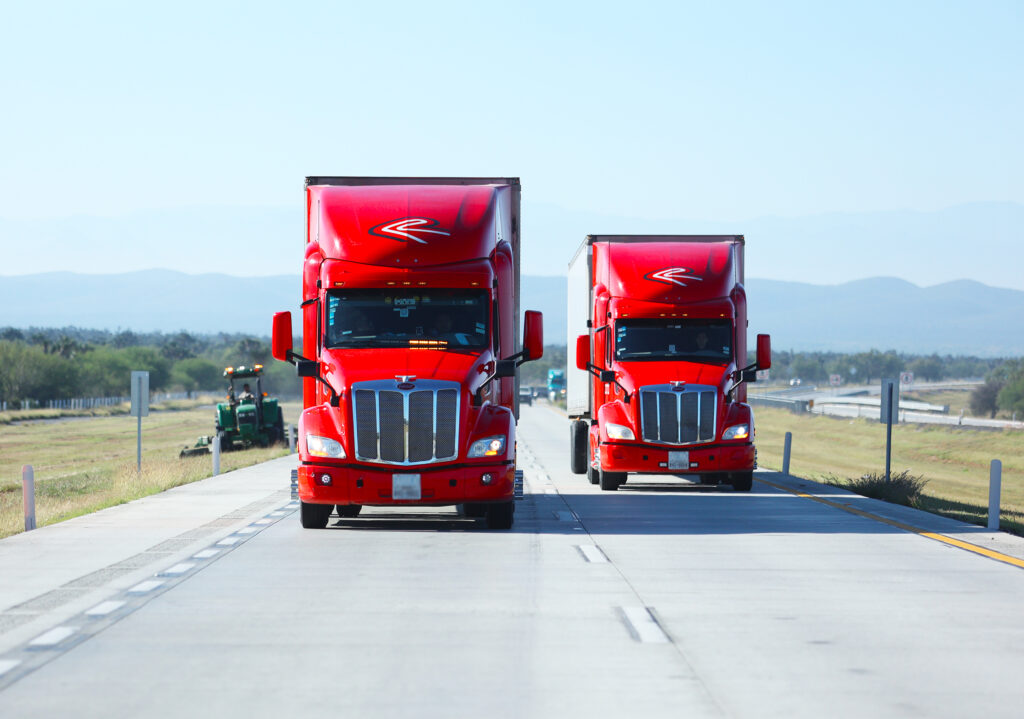
Driven by nearshoring, digital transformation, and shifting supply chain strategies, companies are rethinking how goods move across the border to improve efficiency, resilience, and competitiveness.
1. Nearshoring Continues to Drive Growth
More companies are relocating manufacturing and supply chain operations to Mexico to be closer to the U.S. market. As a result, demand for cross-border transportation continues to rise, particularly in the automotive, electronics, and advanced manufacturing sectors.
2. Technology and Artificial Intelligence Are Reshaping Operations
Logistics providers are increasingly adopting artificial intelligence to optimize routes, predict potential delays, and provide real-time shipment visibility. Today, access to accurate, timely information is becoming a standard expectation rather than a competitive advantage.
3. More Resilient Supply Chains
After years of global supply chain disruptions, businesses are placing greater emphasis on reliability and flexibility. Companies are looking beyond transportation costs and prioritizing logistics partners that can respond quickly to changing market conditions.
4. Continued Investment in Border Infrastructure
Key trade corridors such as Nuevo Laredo continue to benefit from investments in international bridges, customs facilities, and rail connections. These improvements strengthen freight capacity and support more efficient trade flows between Mexico, the United States, and Canada.
5. Sustainability Is Becoming a Business Priority
Customers and global companies increasingly expect logistics operations to reduce their environmental impact. Route optimization, shorter idle times, and more efficient resource utilization are becoming essential strategies for building sustainable supply chains.
What Does This Mean for Businesses?
Companies that combine visibility, speed, and flexibility will be better positioned to capitalize on the continued growth of U.S.–Mexico trade. In today's increasingly competitive environment, a strong logistics strategy is no longer just an operational advantage—it's a key driver of long-term business success.