A Practical Guide to Importing from the U.S. to Mexico Without the Headaches
Your Gateway to Cross-Border Trade
Importing products from the United States into Mexico has become increasingly common in today's global marketplace. Whether you're an established business or a growing company entering international trade, understanding the logistics and documentation requirements is essential for ensuring a smooth, compliant, and efficient import process.
From selecting the right transportation equipment to preparing the required documentation and managing transit times, every detail plays a critical role in the success of your shipment.
Essential Documents for Importing into Mexico
Accurate and complete documentation is one of the foundations of international logistics. These are the key documents you'll need:
- Commercial Invoice: Issued by the seller, this document includes the product description, value, and terms of sale.
- Carta Porte Supplement: Mandatory in Mexico since 2022, this transportation document identifies the type of cargo, its origin, and final destination.
- Import Customs Entry: Prepared by a licensed customs broker, this customs declaration legally authorizes the importation of goods into Mexico.
- Certificate of Origin: Required to verify the country of origin and determine eligibility for preferential tariff treatment under the USMCA.
- Packing List: Provides detailed information about the shipment, including the quantity, weight, dimensions, and packaging of the goods.
- Product-Specific Permits: Depending on the type of cargo, additional authorizations may be required from agencies such as COFEPRIS, SEMARNAT, or SENASICA.
Common Transportation Equipment for Cross-Border Imports
Selecting the appropriate transportation equipment helps protect your cargo while ensuring efficient transit times.
- Dry Van Trailer: Ideal for packaged goods, non-perishable products, and general freight.
- Refrigerated Trailer (Reefer): Designed for fresh food, pharmaceuticals, and other temperature-sensitive products that require cold chain management.
- Tank Trailers: Used for transporting liquids and bulk commodities such as oils, dairy products, and chemical materials.
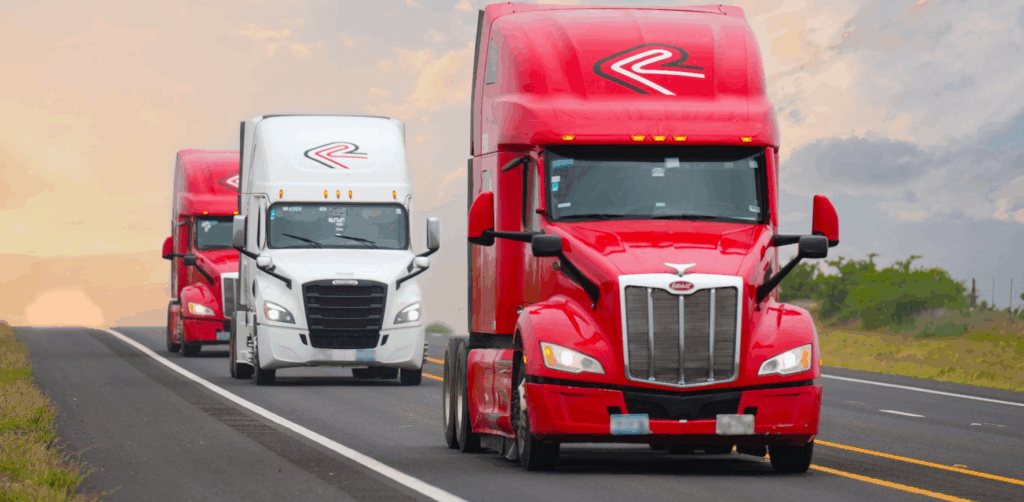
Companies like Zaro Transportation provide Door-to-Door transportation services using these specialized trailers, ensuring greater efficiency, visibility, and shipment traceability.
How Long Does the Import Process Take?
Transit times vary depending on the type of cargo, documentation, and border crossing location. On average:
- Border Crossing: Between 6 and 48 hours, depending on traffic, customs inspections, and processing times.
- Customs Clearance: Typically 24 to 72 hours, particularly if a physical inspection is required or documentation is incomplete.
- Domestic Transportation in Mexico: Between 1 and 5 days, depending on the shipment's final destination.
According to INEGI, more than 70% of imports from the United States enter Mexico by ground transportation, with Nuevo Laredo and Ciudad Juárez serving as the country's busiest land ports of entry.
Tips for a Smooth Import Process
- Review applicable tariffs and product-specific regulations before shipping.
- Partner with an experienced logistics provider specializing in cross-border imports and exports.
- Digitize shipping documents to improve visibility, security, and traceability.
- Build realistic transit schedules that account for customs processing and potential border delays.
- Protect your shipment with cargo insurance covering damage, theft, or loss.
Successful Imports Start with the Right Logistics Strategy
Importing goods from the United States into Mexico doesn't have to be complicated—but it does require planning, expertise, and the right logistics partner. Proper documentation, the right transportation solution, and experienced cross-border support can make the difference between a seamless operation and costly delays.
At Zaro Transportation, we specialize in international ground transportation, helping businesses import freight safely, efficiently, and in full compliance with cross-border regulations.
Ready to Simplify Your Next Import? Contact us through our website and discover how our Door-to-Door logistics solutions can streamline your cross-border operations between the United States and Mexico.
Sources: INEGI / SAT / OpenAI