Why Is Procurement So Important?
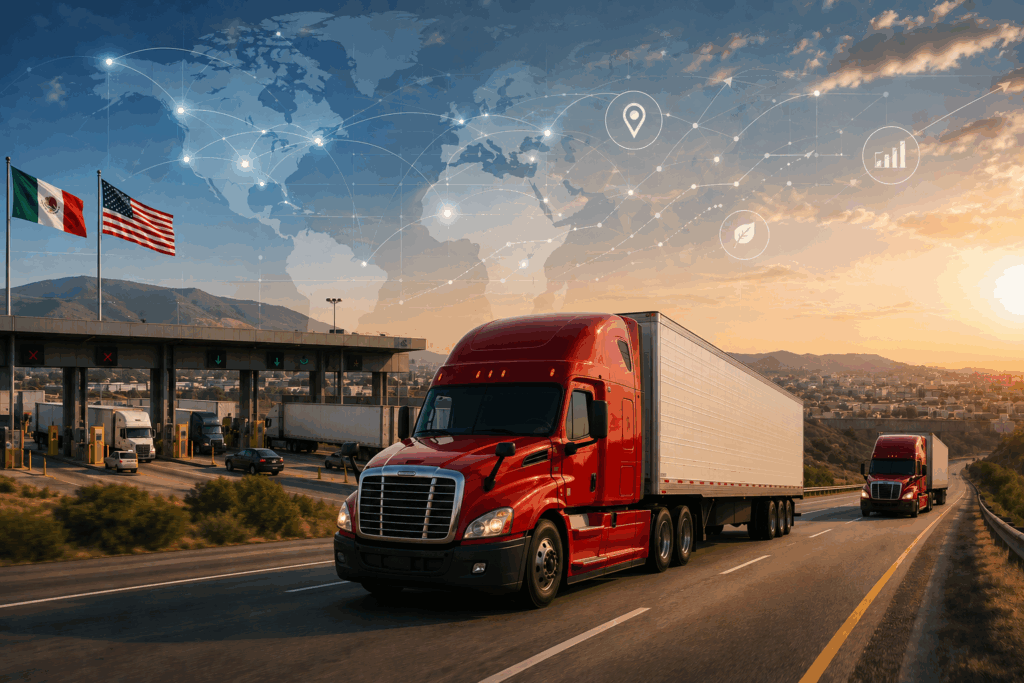
In the world of high-performing supply chains and international logistics, procurement is one of the most critical stages. Without effective order management, inventory control, and quality assurance, no logistics company can operate efficiently—especially in export and import operations. Simply put, procurement is the heart that keeps the entire supply chain moving.
What Is Logistics Procurement?
Logistics procurement is the process of sourcing, planning, and managing all the materials, raw goods, merchandise, and products an organization needs to operate. This process is directly connected to order management, quality control, and inventory management, creating a continuous flow throughout the supply chain.
Key Elements of Logistics Procurement
- Order Management
- Coordinates the ordering, receiving, and delivery of products.
- Provides visibility into what is needed, how much, and when.
- Quality Control
- Ensures received goods comply with technical specifications and regulatory requirements.
- Applies to both raw materials and finished products.
- Inventory Management
- Optimizes inventory levels to prevent overstocking or shortages.
- Uses methods such as FIFO, LIFO, Just-in-Time (JIT), and Material Requirements Planning (MRP) to improve efficiency.
- Transportation Equipment Selection
- The appropriate equipment is selected based on the nature of the cargo, including dry vans, shipping containers, or refrigerated trailers, to ensure product integrity throughout transit.
- Technology Integration
- Technologies such as WMS, ERP, and RFID improve traceability, enable predictive analytics, and automate procurement processes.
International and Mexican Regulations
International Standards
- ISO 9001:Quality management standard applicable to logistics processes.
- GS1:Global standards for product identification and traceability, including barcode systems.
- ICC Incoterms®:International trade rules defining the responsibilities of buyers and sellers during the delivery process.
Regulations in Mexico
- NOM-251-SSA1-2009:Establishes sanitary requirements and quality control standards for food products.
- CFDI with Carta Porte Supplement: Since 2023, logistics companies are required to report detailed information about transported goods.
- Customs Regulations: Mandatory for all import and export operations, including documentation such as the commercial invoice and certificate of origin.
How Procurement Impacts International Logistics
Effective procurement improves profitability, ensures operational continuity, and enables businesses to respond quickly to changes in demand. In international logistics, where multiple stakeholders and variables are involved, procurement processes must be standardized and aligned with industry best practices.
Efficient procurement does more than prevent errors—it drives business growth. At Zaro Transportation, we design customized logistics solutions that support efficient import and export operations while strengthening your supply chain from end to end.
Need a Logistics Operation Without Interruptions?
Contact us at pricing@zarotransportation.com and let our team optimize your supply chain from the very first mile.
Sources: ISO.org / GS1 México /SAT México – Carta Porte / DOF – NOM-251 / OpenAI